From rural village to busy local district
Northfield has never been only a name on a map. From rural memory and the Bristol Road to railway growth, Longbridge, Rover, factory life, and generations of local trade, the area has always carried movement, work, and community through its streets.
Northfield has deeper roots than a modern retail label. Birmingham City Council records describe it as a place mentioned in the Domesday Book, with older traces of settlement long before the current centre took shape. That gives Northfield continuity and weight.
For much of the nineteenth century the area still carried a rural feel. Farming, local mills, cottage nail making, and movement along the Bristol Road all helped shape daily life. When the railway arrived in 1870, Northfield became more connected to Birmingham and the pace of change quickened.
Factories changed the scale of Northfield
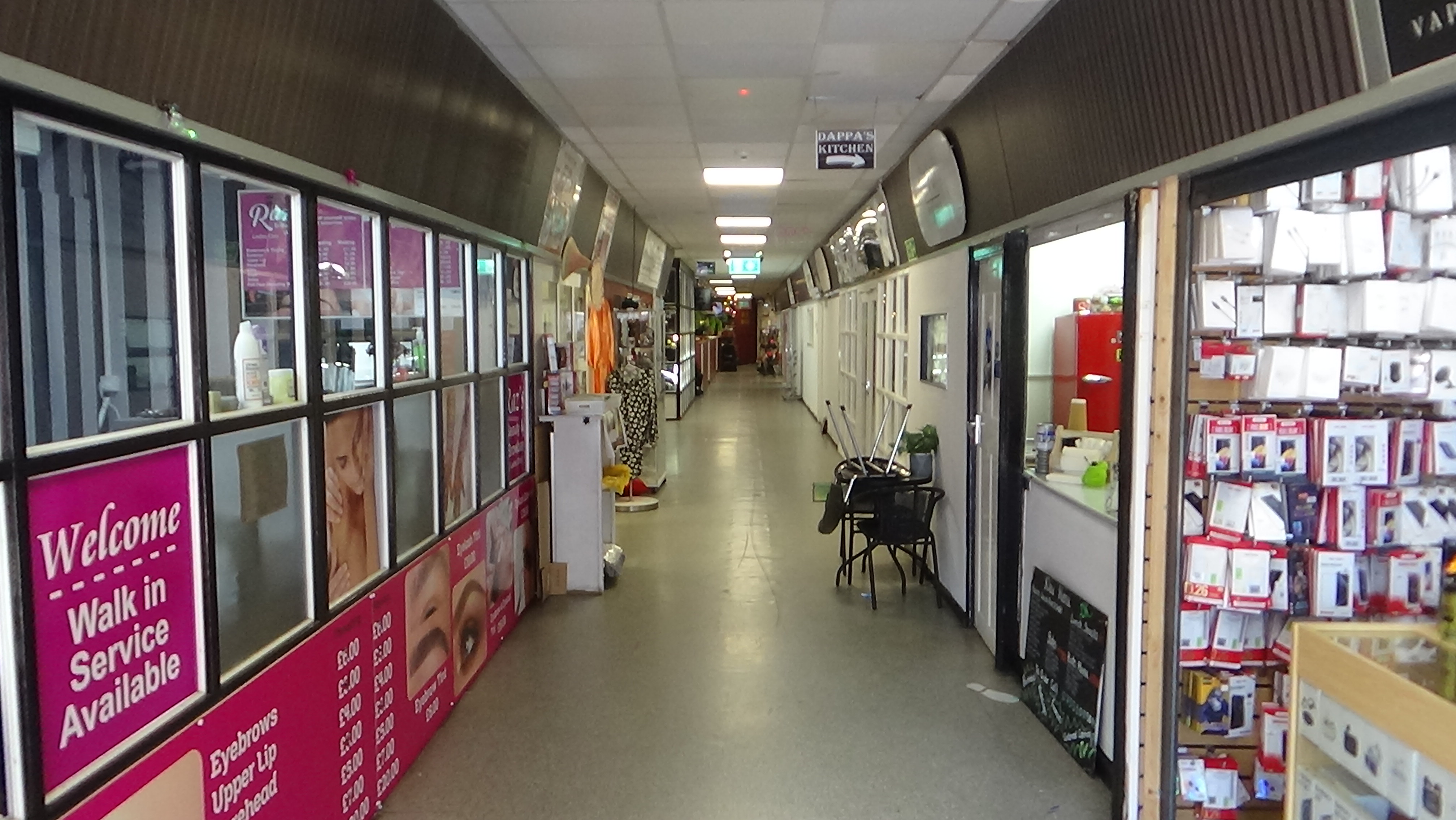
Today the trade centre keeps that spirit alive in a modern form. It is a place to eat, browse, ask, book, repair, discover, and meet independent traders who are building something with their own hands, skills, and stories.
The Austin works founded at Longbridge in 1905, later tied to the Rover story, changed the scale of this part of Birmingham. The Kalamazoo paper factory followed in 1908. Together they brought workers, housing growth, and a stronger local trading economy into the wider Northfield area.
That industrial backdrop matters here. Northfield Trade Centre belongs to a district shaped by work, movement, and practical local spending. The centre does not need a made-up story when the real one is already strong.
Why the trade centre deserves its own identity
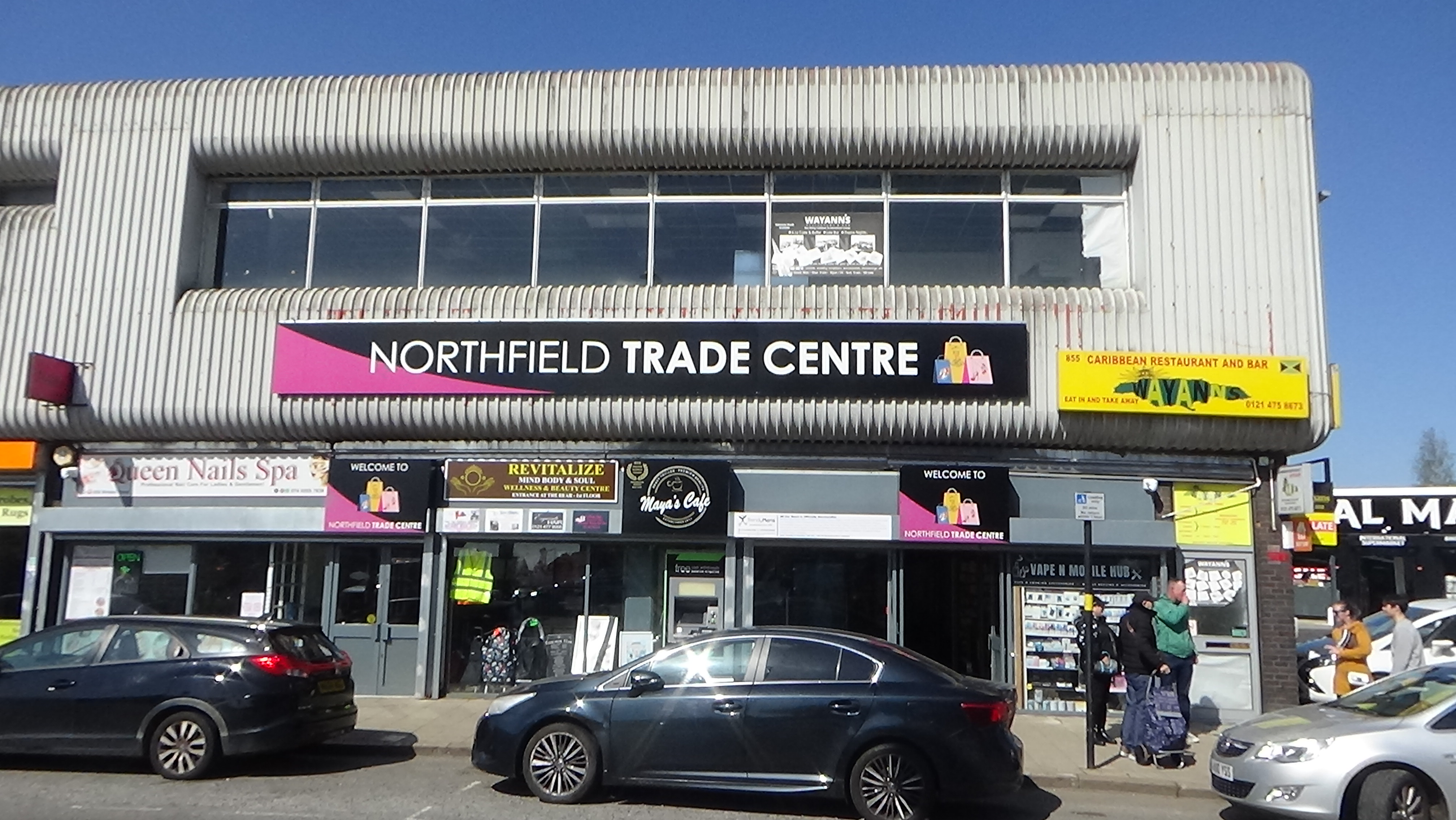
The centre works best when it feels like a place with its own welcome, rhythm, and wayfinding rather than a row of disconnected doors. Clear identity helps visitors understand where they are and helps every trader feel part of something established and local.
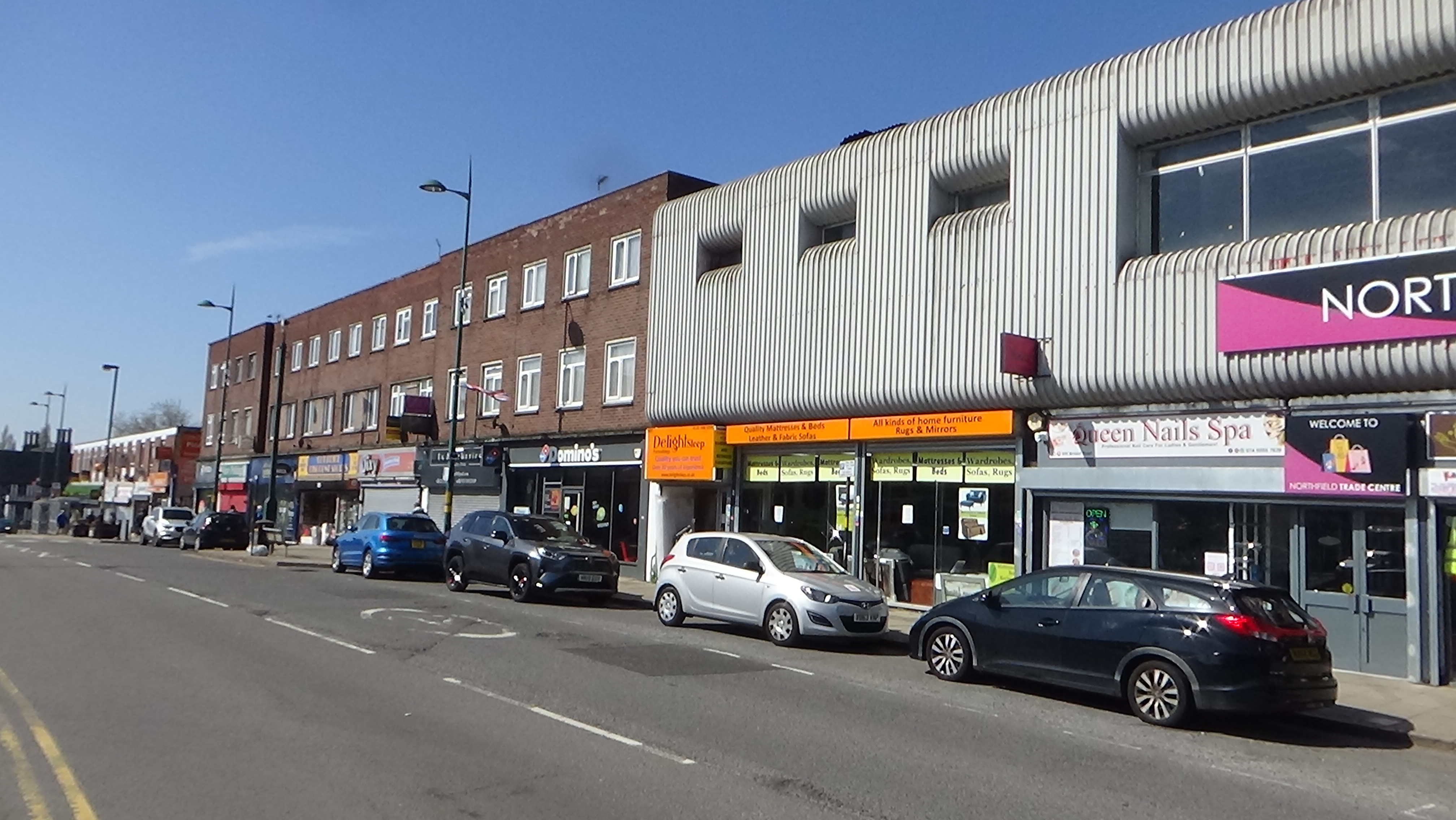
When customers arrive here, they should feel the difference between a generic listing page and a real Birmingham trading destination. The businesses inside matter, but so does the place they belong to: Northfield, its roads, its communities, and its long shift from rural edge to industrial suburb to modern local centre.
That balance matters. Northfield Trade Centre keeps one strong shared identity while traders keep their own independence, character, and pace. The centre becomes the frame; the people inside bring the life.
Why people still come to Northfield
People come here because Northfield still feels real. It is a place of familiar routes, useful stops, local memory, and everyday trade that sits close to ordinary life instead of trying to perform like a polished fantasy.
That is what gives the area warmth. The old village roads, the railway years, the factory expansion, and the Longbridge and Rover influence did not only shape buildings. They shaped a district where work, errands, food, services, and routine all belong together. People trust places like that because they feel lived in.
That is why future visuals matter so much. Rural Northfield imagery, Rover references, and factory-era photographs will not just make the page richer. They will help people feel the continuity of the place and understand that Northfield Trade Centre belongs to a living Birmingham story.
Northfield inside Birmingham's wider economy
Northfield is not Birmingham city centre, and that is part of its value. It sits inside the wider economy of the city while still relying on repeat custom, local trust, recognisable names, and practical everyday use. Birmingham brings scale; Northfield brings routine, memory, and locality.
The strongest version of Northfield Trade Centre should carry both: local enough to belong to Northfield, and confident enough to stand within the wider Birmingham story. That is where the history, the traders, the atmosphere, and the visual direction all need to meet.
Moving forward
The aim is to put Northfield Trade Centre on the map with pride: a friendly, growing community for all ages where diversity, local talent, and everyday usefulness are part of the market's foundation.
The next stage is to keep enriching the centre with real tenant visuals, better phone and contact detail, stronger stall presentation, and a fuller historical picture of the district around it. That includes the rural past, the Longbridge and Rover legacy, and the industries that helped shape modern Northfield.
Moving forward, the aim is to keep strengthening how Northfield Trade Centre is seen and experienced: clearer presentation, stronger community confidence, better visibility for the people trading inside, and a sense of pride that reflects the real character of the place.
Built from real place references, not generic filler
Northfield local history is grounded in Birmingham City Council local-history material.
Area context includes Northfield's rural past, its railway growth, and the industrial pull of Longbridge and Kalamazoo.
Story imagery uses local Northfield material now and can expand later with rural Northfield and Rover-era references.